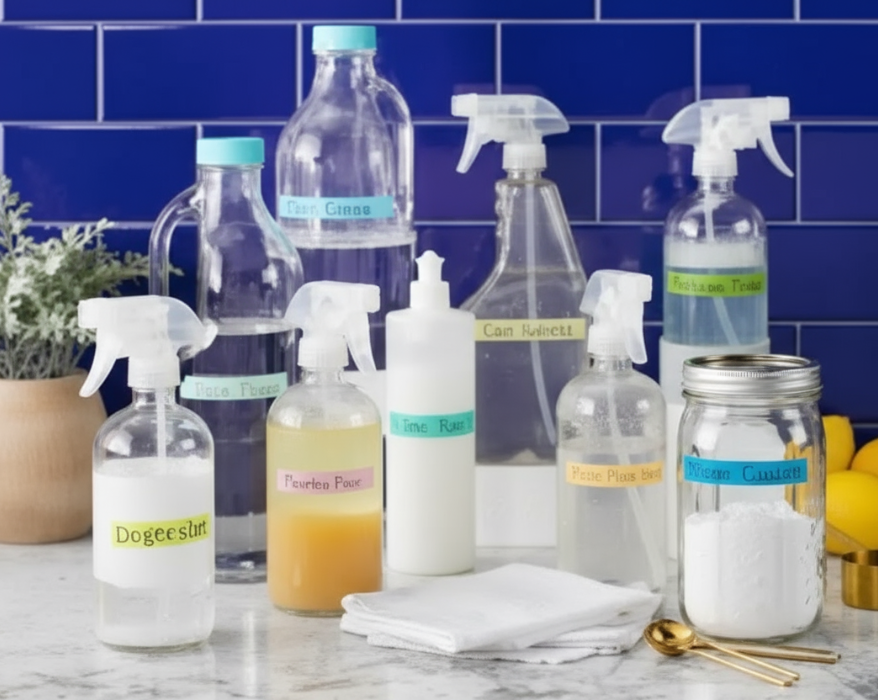

Keeping your home clean doesn’t have to mean Stores spending a lot of money full of harsh chemicals. Many families today are turning toward homemade cleaning solutions—not only to save money but also to reduce toxic exposure and live more sustainably. The best part? Most effective recipes can be made with spending a lot of money on store-bought items full of and lemon.
In this guide, you’ll discover how to make powerful, safe, and eco-friendly cleaners that tackle everything from kitchen grease to bathroom mold. We’ll cover DIY recipes, explain why they work, share practical application tips, and highlight common mistakes to avoid. By the end, you’ll have a full arsenal of natural solutions that actually rival or outperform commercial cleaners—without the price tag or chemical side effects.
Why Choose Homemade Cleaning Solutions?
1. Health Benefits
Commercial cleaners often contain ammonia, chlorine, and synthetic fragrances that can trigger allergies, skin irritation, or respiratory issues. Homemade cleaners rely on natural ingredients, making them safer for kids, pets, and people with sensitivities.
2. Cost-Effective
Buying multiple store-bought cleaners for different surfaces adds up quickly. A simple bottle of vinegar and a box of baking soda can cover dozens of cleaning needs at a fraction of the cost.
3. Eco-Friendly Impact
Homemade solutions cut down on plastic packaging and eliminate harsh chemicals that wash into water systems, reducing environmental harm.
4. Convenience
With ingredients like lemon juice, essential oils, and baking soda on hand, you can whip up a cleaner instantly—no last-minute trip to the store required.
Essential Ingredients for DIY Cleaning Recipes
Before diving into recipes, let’s build a toolkit of core ingredients. These natural powerhouses form the base of most non-toxic cleaning solutions:
- White Vinegar: Cuts grease, deodorizes, kills some bacteria.
- Baking Soda: Scrubs, deodorizes, and balances pH.
- Lemon Juice: Natural antibacterial, removes stains, adds fresh scent.
- Castile Soap: Plant-based, versatile liquid soap safe for most surfaces.
- Hydrogen Peroxide: Disinfects, whitens, and deodorizes.
- Essential Oils (tea tree, lavender, lemon, eucalyptus): Antimicrobial, add fragrance, and boost cleaning power.
- Olive Oil: Polishes wood and metal surfaces.
- Cornstarch: Great for polishing glass and absorbing grease.
Homemade Cleaning Solutions for Every Room
1. All-Purpose Cleaner
Best For: Countertops, sinks, tiles, doorknobs.
Recipe:
- 2 cups water
- 1 cup white vinegar
- 10 drops lemon essential oil
- 10 drops lavender essential oil
Mix in a spray bottle. Shake before each use. Avoid on marble or granite surfaces, as vinegar can damage natural stone.
2. Kitchen Cleaners
Degreaser Spray
- 2 cups warm water
- 1 tablespoon baking soda
- ½ teaspoon Castile soap
- 5 drops orange essential oil
Use for stovetops, range hoods, and greasy pans.
Microwave Steam Cleaner
- 1 cup water
- 2 tablespoons lemon juice
Microwave on high for 5 minutes. Wipe clean afterward—the steam loosens grime, and lemon cuts odors.
3. Bathroom Cleaning Recipes
Toilet Bowl Cleaner
- ½ cup baking soda
- ½ cup vinegar
Pour baking soda into the bowl, the vinegar. Let it fizz for ten minutes, then scrub and flush.
Mold & Mildew Spray
- 1 cup vinegar
- 1 cup water
- 20 drops tea tree oil
Spray on grout or shower tiles; let sit before scrubbing.
4. Glass & Mirror Cleaner
Recipe:
- 2 cups water
- ½ cup vinegar
- 1 tablespoon cornstarch
- 10 drops lemon essential oil
Spray and wipe with a microfiber fabric streak-free shine.
5. Floor Cleaners
Wood Floors
- ½ cup vinegar
- 1 gallon warm water
- 2 tablespoons olive oil
Mop lightly—avoid soaking wood.
Tile Floors
- 1 gallon warm water
- ½ cup baking soda
- 2 tablespoons Castile soap
6. Laundry Boosters
- Whitening Agent: Add ½ cup hydrogen peroxide to the wash.
- Fabric Softener: Use ½ cup vinegar in the rinse cycle.
- Deodorizer: Add ½ cup baking soda to neutralize odors.
Green Cleaning Tips and Tricks
- Always test a small patch before using a solution on new surfaces.
- Store cleaners in glass spray bottles for longevity (some essential oils degrade plastic).
- Label bottles clearly to avoid confusion.
- Make small batches to ensure freshness—especially for solutions with lemon juice.
Advantages and Limitations of DIY Cleaners
Advantages:
- Customizable with scents you enjoy.
- Low cost per use (pennies compared to store-bought).
- Safer for kids and pets.
- Eco-conscious, reducing chemical runoff.
Limitations:
- Shorter shelf life compared to commercial cleaners.
- Vinegar-based solutions may not sanitize as strongly as disinfectants like bleach.
- Some stains (like deep rust or heavy mold) may require stronger products.
Case Example: Saving with Homemade Cleaning Solutions
Consider a family who spends $50/month on various commercial cleaners. Switching to homemade recipes cuts costs down to roughly $8/month, primarily for vinegar, baking soda, and essential oils. Over a year, that’s a savings of $500+ while reducing household chemical use.
Mistakes to Avoid When Using Homemade Cleaners
- Overusing vinegar on stone: It erodes surfaces like granite or marble.
- Mixing chemicals: Combining hydrogen peroxide and vinegar in the same bottle reduces effectiveness.
- Ignoring expiration: Fresh lemon juice-based cleaners should be used within a week.
- Too much essential oil: Strong oils can stain fabrics or irritate sensitive skin.
Advanced Homemade Cleaning Recipes
DIY Carpet Freshener
- 1 cup baking soda
- 15 drops lavender oil
- 10 drops eucalyptus oil
Mix, sprinkle on carpet, let sit for 20 minutes, then vacuum.
Stainless Steel Polish
- 2 tablespoons olive oil
- 1 tablespoon vinegar
Buff onto appliances with a microfiber cloth.
Drain Cleaner
- ½ cup baking soda
- ½ cup vinegar
- Boiling water
Pour baking soda, then vinegar. Wait 10 minutes, flush with boiling water.
Sustainable Cleaning Habits to Adopt
- Use washable microfiber fabric instead of paper towel.
- Repurpose old t-shirts as rags.
- Choose reusable mop heads.
- Buy ingredients like vinegar and baking soda in bulk to cut packaging waste.
Conclusion
Switching to homemade cleaning solutions is one of the easiest, most impactful ways to live healthier, save money, and reduce your environmental footprint. With simple ingredients and tested recipes, you can clean every room in your home safely and effectively. While DIY cleaners may not replace every heavy-duty commercial product, they’re more than enough for everyday use. By combining natural ingredients with a little effort, you’ll create a home that sparkles—without toxins or overspending.
FAQs
- What are the best homemade cleaning solutions?
The most versatile are vinegar-and-water all-purpose spray, baking soda scrubs, and lemon juice deodorizers. - Are homemade cleaning solutions safe for pets?
Yes, most are safer than chemical cleaners. Avoid overusing essential oils around cats and dogs, as some can be toxic. - Can homemade cleaning solutions disinfect?
Vinegar and hydrogen peroxide have mild antibacterial properties, but they don’t fully replace hospital-grade disinfectants. - How long do homemade cleaning solutions last?
Most vinegar-based recipes last several months. Lemon juice and fresh ingredients should be used within a week. - Do homemade cleaning solutions really save money?
Yes—families can save hundreds of dollars per year by making their own cleaners with pantry staples. - Can I mix vinegar and baking soda for cleaning?
Yes, but only for immediate fizzing action (like unclogging drains). Don’t store them mixed, as they neutralize each other. - Are essential oils necessary in homemade cleaning solutions?
Not required, but they add fragrance and extra antibacterial power. Tea tree and lavender are popular choices.