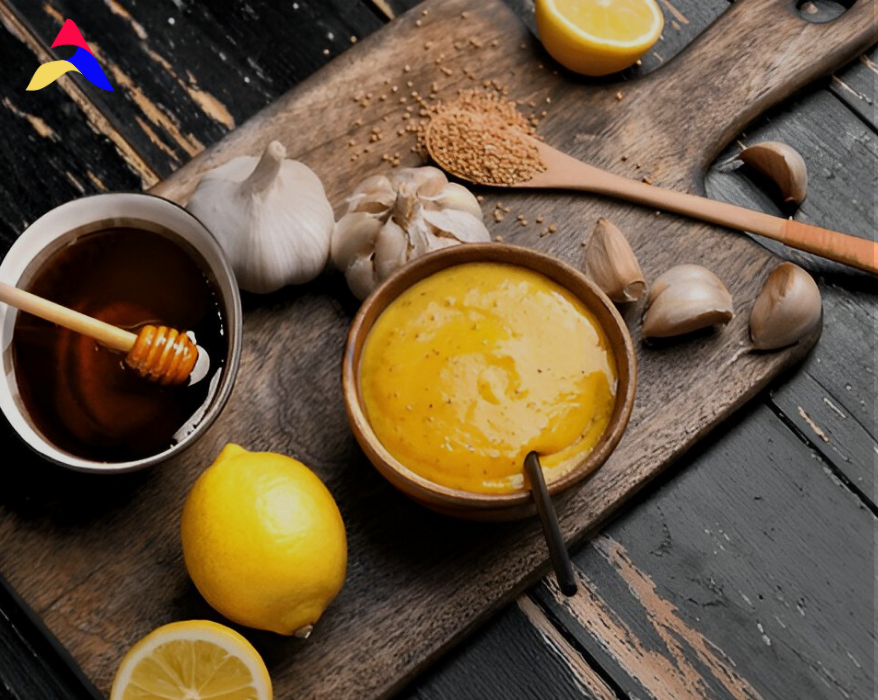

How to Make Honey Mustard at Home: Easy & Delicious Recipe
When it comes to sauces that are both tangy and sweet, honey mustard ranks high on the list. Its creamy texture, golden color, and irresistible flavor make it a go-to for dipping chicken tenders, dressing salads, or glazing roasted meats. The good news is, you don’t need to buy it from the store—you can easily learn how to make honey mustard at home with just a few pantry staples. Whether you prefer a smooth, Dijon-based blend or a rustic, grainy mustard texture, the process is quick, customizable, and budget-friendly.
In this comprehensive guide, we’ll explore not only the basic recipe but also variations like make honey mustard with Dijon for a sharper tang and different ways to make honey mustard with ingredients you already have in your kitchen. By the end, you’ll have all the knowledge you need to whip up this versatile condiment in minutes.
Why Make Honey Mustard at Home?
Freshness and Flavor Control
The main reason many people want to know how to make honey mustard at home is flavor. Store-bought bottles often contain preservatives, artificial coloring, and unnecessary sugars. When you prepare it yourself, you control the sweetness, tanginess, and consistency to suit your taste. For example, using Dijon mustard gives it a refined, slightly spicy profile, while yellow mustard delivers a milder flavor.
Healthier Alternative to Store-Bought
Another benefit is the ability to make honey mustard with ingredients you trust. Opting for organic honey, high-quality mustard, and minimal additives results in a healthier condiment without compromising taste. Plus, homemade versions tend to be lower in sodium and processed sugars.
Essential Ingredients for Honey Mustard
Mustard Base Options
When deciding how to make honey mustard, the choice of mustard plays a huge role. Dijon mustard offers a sophisticated tang, while whole-grain mustard provides texture. Yellow mustard, on the other hand, is mild and familiar, making it kid-friendly.
Sweeteners and Flavor Balancers
Honey is the classic sweetener, but maple syrup or agave nectar can also work for a twist. To balance the sweetness, a splash of vinegar or lemon juice helps brighten the flavor, making it perfect for both dipping and dressing.
Step-by-Step Guide on How to Make Honey Mustard
The Basic Method
To make honey mustard with ingredients you have on hand, combine equal parts mustard and honey in a bowl. Whisk until smooth, adjusting the sweetness and tang as desired. A pinch of salt can enhance the flavors, and a tablespoon of mayonnaise can create a creamier texture.
Using Dijon for Extra Depth
If you want to make honey mustard with Dijon, replace yellow mustard with Dijon in the recipe. This version works beautifully as a marinade for chicken or pork, adding complexity and a subtle heat that balances the honey’s sweetness.
Variations of Honey Mustard Recipes
Creamy Honey Mustard Sauce
For a richer texture, mix in Greek yogurt or sour cream. This variation is ideal for spreading on sandwiches or using as a dip for fresh vegetables.
Spicy Honey Mustard
Add a dash of cayenne pepper, hot sauce, or horseradish for a bold kick. This is a great way to elevate the classic recipe while keeping the essence of how to make honey mustard intact.
Pairing Honey Mustard with Foods
As a Dipping Sauce
From crispy chicken tenders to pretzel bites, honey mustard shines as a dipping companion. Its balanced sweet-and-tangy flavor enhances fried, baked, and even raw snacks.
As a Marinade or Glaze
Honey mustard makes an excellent glaze for salmon, pork chops, or roasted vegetables. When you make honey mustard with Dijon, the sharper notes help cut through richer meats, creating a perfect balance.
Storage and Shelf Life of Homemade Honey Mustard
Refrigeration Tips
Once you learn how to make honey mustard, you’ll want it to last. Store it in an airtight jar in the refrigerator, where it will keep for up to two weeks. The flavors often deepen after a day or two, making it even more delicious.
Freezing for Long-Term Use
Although honey mustard freezes well, the texture may separate slightly when thawed. If you choose this method, whisk it thoroughly after defrosting to restore its smoothness.
Common Mistakes When Making Honey Mustard
Overpowering Sweetness
A common error is adding too much honey. While the name suggests sweetness, the mustard’s tang should remain the star.
Using Low-Quality Mustard
Since mustard is the foundation, using a low-quality brand can make the flavor dull. If you’re going to make honey mustard with Dijon, choose a reputable brand for the best results.
Creative Uses for Honey Mustard Beyond the Kitchen
Salad Dressing Base
Mix your honey mustard with olive oil and vinegar for a quick, flavorful salad dressing.
Sandwich Spread
Replace plain mayonnaise with honey mustard to instantly elevate sandwiches and wraps.
Nutritional Benefits of Homemade Honey Mustard
Healthier Than Store-Bought
One of the often-overlooked reasons for learning how to make honey mustard at home is the nutritional advantage. Many commercial versions contain corn syrup, artificial flavors, and excessive sodium. When you prepare it yourself, you can make honey mustard with ingredients that are natural and wholesome—like raw honey, organic mustard, and fresh lemon juice. This way, you control not only the flavor but also the nutritional profile, making it a condiment you can enjoy more often without guilt.
Naturally Rich in Antioxidants
Mustard seeds are a source of antioxidants and essential minerals, while honey offers antibacterial properties and natural energy. When you make honey mustard with Dijon, you add compounds from white wine vinegar and mustard seeds that may aid digestion and provide anti-inflammatory benefits. It’s a small but meaningful way to enhance your diet with every dip or drizzle.
Tips for Perfecting the Flavor Balance
Adjusting Sweetness and Tang
Mastering how to make honey mustard is all about balance. If your batch tastes too sweet, add a touch more mustard or a splash of vinegar. If it’s too tangy, a teaspoon of honey can smooth it out. When making larger batches, taste as you go—small adjustments make a big difference in the final flavor.
Texture and Consistency Tricks
For a silky sauce, whisk your honey and mustard together thoroughly until emulsified. To create a thicker spread, incorporate mayonnaise or Greek yogurt. For a runnier dressing, simply add water or lemon juice. Whether you make honey mustard with Dijon or yellow mustard, adjusting consistency is an easy way to match it to its intended use.
Serving Honey Mustard in Creative Ways
Charcuterie Board Highlight
On a charcuterie board, honey mustard pairs beautifully with sharp cheeses, cured meats, and crusty bread. Making it yourself ensures the perfect flavor profile to complement the other items.
Basting Sauce for Grilling
During grilling season, use honey mustard as a basting sauce for chicken thighs, pork tenderloin, or even vegetables. The sugars in the honey caramelize beautifully over heat, creating a golden glaze that’s both savory and sweet—especially if you make honey mustard with Dijon for an extra layer of flavor.
Conclusion – Mastering the Art of Honey Mustard
Learning how to make honey mustard at home is simple, quick, and endlessly adaptable. By experimenting with different mustards, sweeteners, and add-ins, you can create a sauce that perfectly matches your palate. Whether you choose to make honey mustard with Dijon for sophistication or stick with classic yellow mustard for comfort, you’ll enjoy a fresher, healthier, and more flavorful condiment every time.